Should Your Wedding Have a Theme? Here’s Why (Or Why Not!)
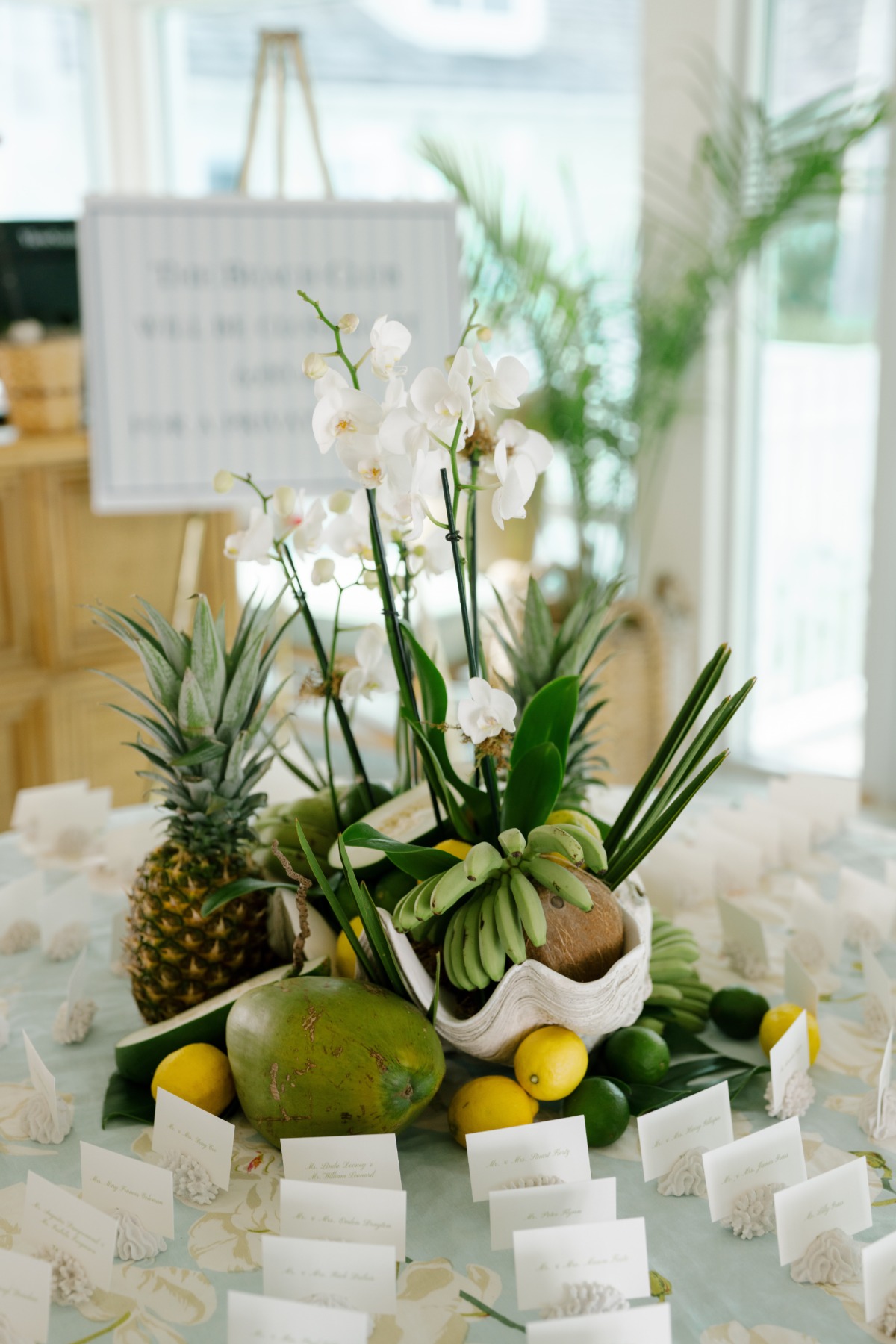
Throughout the wedding planning process, there’s no shortage of decisions to make, from florals to food to your grand exit. Somewhere along the way, you may find yourself asking one big question: Should our wedding have a theme?
For some couples, a clear theme helps tie the whole day together and create a cohesive, wow-worthy experience. For others, it might feel a little too structured or simply not their style.
Before you dive headfirst into a themed celebration (or rule it out entirely), it’s worth taking a moment to consider the why and why not behind it. Whether you’re envisioning a full-on fantasy or just want to keep things simple, we’re breaking down what it really means to have a wedding theme and how to decide if it’s right for you.
Pros Of Having A Theme
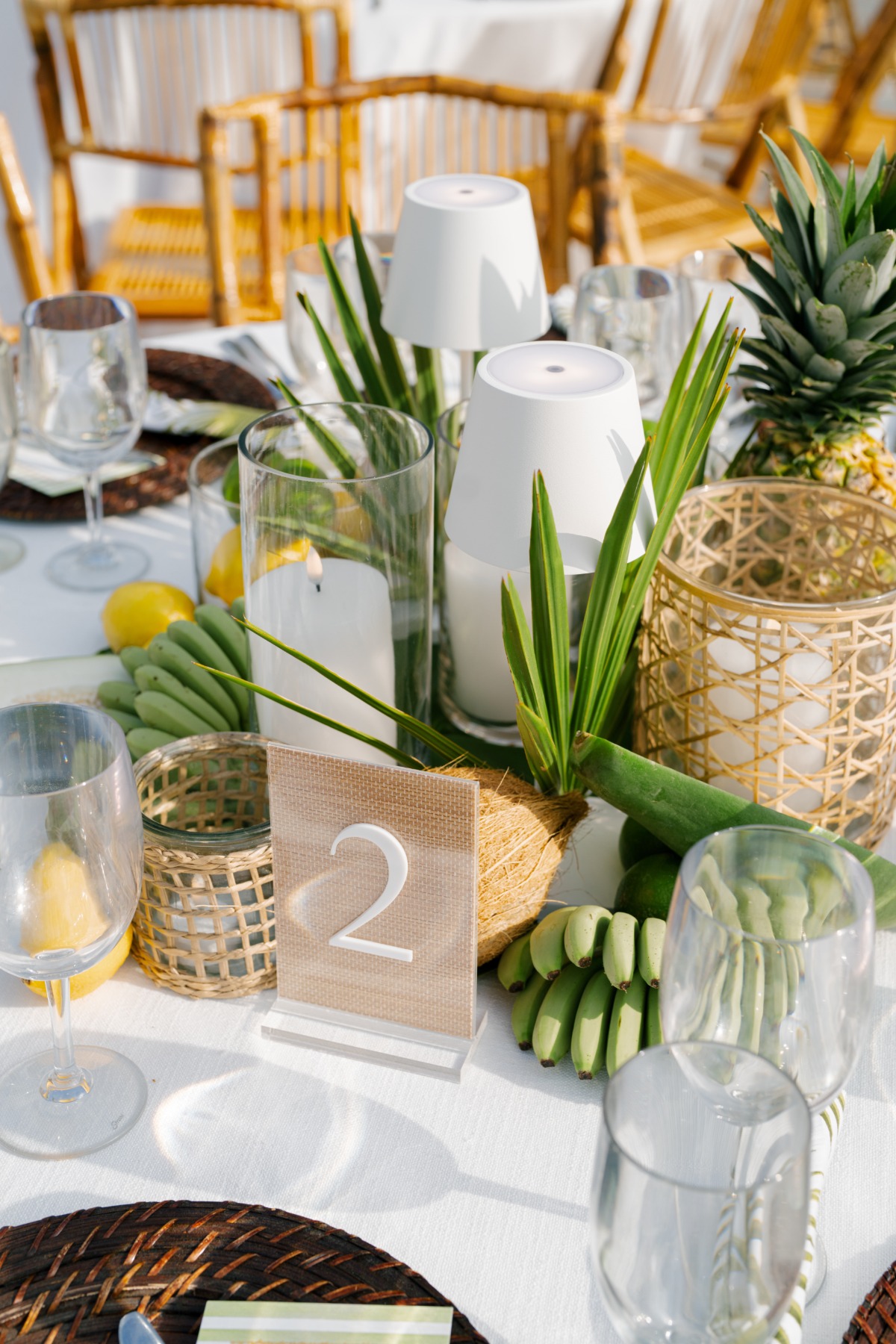
Everything feels intentional
One of the biggest perks of having a wedding theme is how cohesive everything can feel. Whether it’s your invitations or your centerpieces, a well-chosen theme helps all the details feel like they belong.
Sarona Farrell, Founder & Lead Planner at Gloweddings, shares, “A beautiful, personalized wedding will have an overall focus that shapes the event from start to finish, so everything from design and decor to the flow of activities feels intentional, organic, and right.”
Having a theme also helps guests feel immersed in the experience. It’s like stepping into a story, and everything they see and hear reinforces that feeling.
You can make it your own
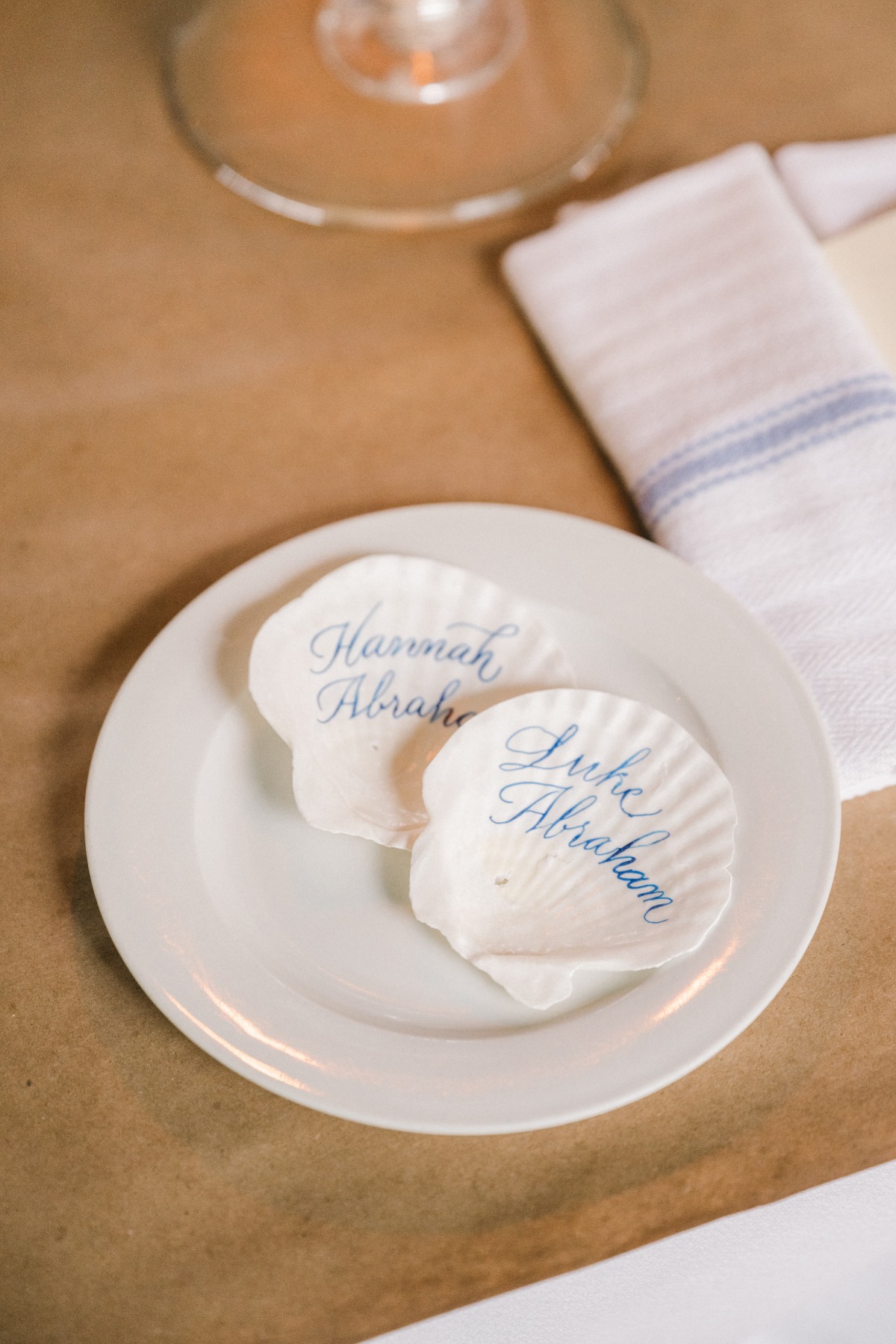
Themes don’t have to mean cookie-cutter weddings. In fact, they’re a great chance to get creative and show off your personality.
“And the word ‘theme' can be used loosely - as some couples see white flowers and greenery as a theme, and others think something as extravagant as a 70's Disco Roller Blade Extravaganza only counts as a theme,” notes Loni Peterson, MLS, Owner of LP Creative Events. “Themes are there to guide couples through making design decisions and a pathway to ensure all choices that are made along the way are cohesive.”
Themes are also a fun way to weave in pieces of your love story, like your shared love for travel, a favorite decade, or even the place you got engaged. They give those personal touches a little structure to shine.
It can represent who you are as a couple
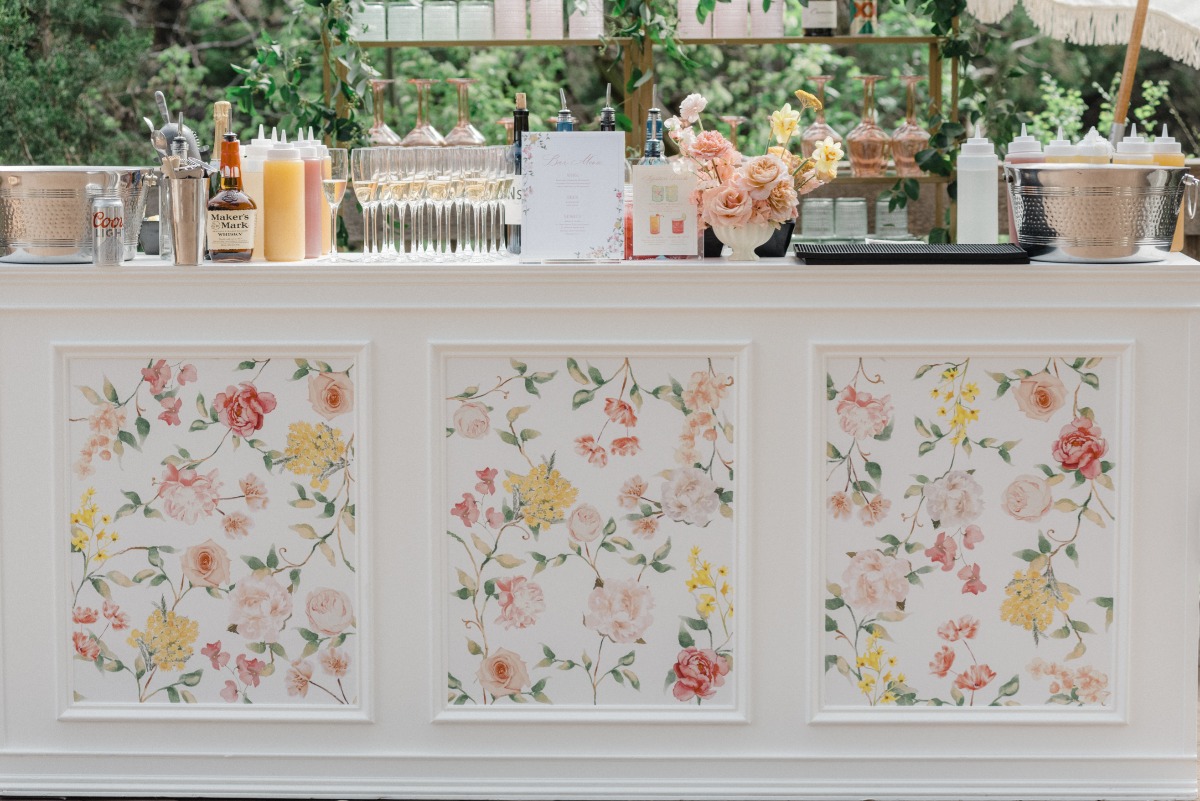
Think of your wedding as the ultimate expression of “you two.” A theme can act like a mirror, reflecting your style, values, and shared interests.
Kristin Hubbard, CEO of Our DJ Rocks, says, “We absolutely LOVE when a couple decides to lean into a theme if it feels true to who they are. A theme isn’t a must, but it can be such a fun way to infuse your personalities, story, and shared passions into your wedding day.”
Plus, when your guests walk in and instantly get the vibe, it feels extra special. It’s like saying, “This is us”, without ever having to say a word.
It provides a sense of direction
Planning a wedding comes with about a thousand tiny decisions. Having a theme in mind makes those choices way easier. Suddenly, you’re not just picking random flowers or colors. Instead, you’re picking what fits your overall vision.
“From stationary and signature menus to dress codes and specialty experiences, we are all about a well-planned themed wedding,” confirms Carin Hunt, Wedding Specialist at Coconut Palm Inn. “This option offers clear direction for the event’s design and overall aesthetic, while adding a whimsy and exciting experience for both the couple and their guests. Theming creates a familiar style to follow, whether that be based around a music festival, eco-conscious efforts, coastal country vibe, or otherwise.”
A theme can also help you stay focused (and keep your budget in check). When you know what you’re going for, it’s easier to skip the impulse buys and stay on track with choices that support your bigger picture.
Cons Of Having A Theme
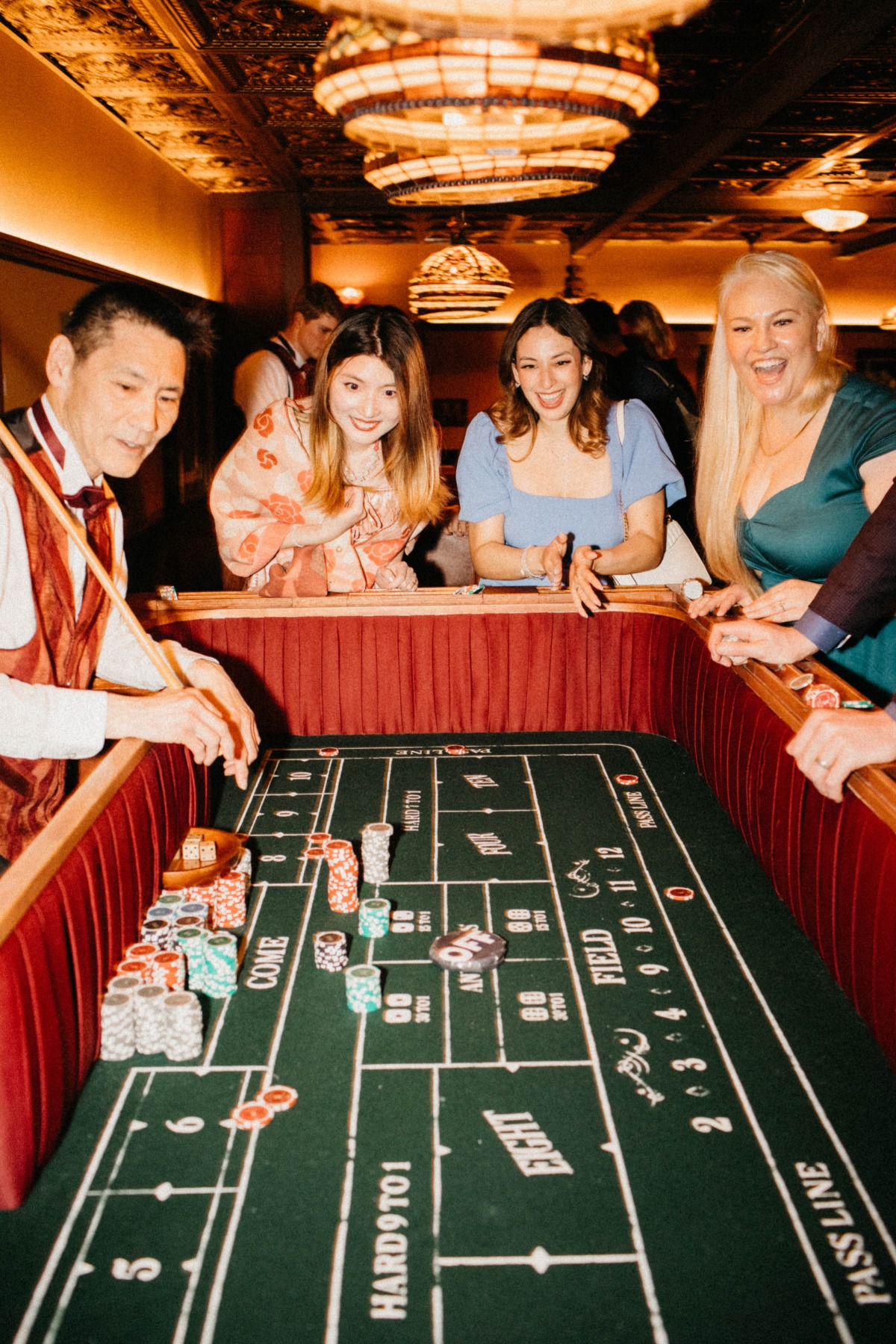
It can feel excessive
There’s a fine line between “fun and thoughtful” and “a bit too much.” Some couples start with a cute theme idea and quickly find themselves knee-deep in props, color palettes, and Pinterest overload.
Craig Peterman, Photographer & Videographer at Craig Peterman Photography & Videography, states, “A theme can add personality, but you don’t want it to take over the whole day. I’ve seen weddings that are beautiful without an official theme because they stayed true to who they are as a couple.”
What started as a light direction can spiral into something that feels more like a production than a celebration.
Kristen Gosselin, Founder & Creative Director at KG Events & Design, adds, “A broad theme can definitely be a great approach when it comes to setting an overarching tone for your wedding. However, a specific theme for weddings can feel a bit too much, in our experience. A wedding with a theme can ‘lose’ the representation of the couple and make the celebration more about something else.”
It’s okay to want a cohesive look, but if the theme starts taking over every part of your wedding (and your sanity), it might be time to scale back. You don’t have to go all-in to make a statement!
You might have regrets looking back
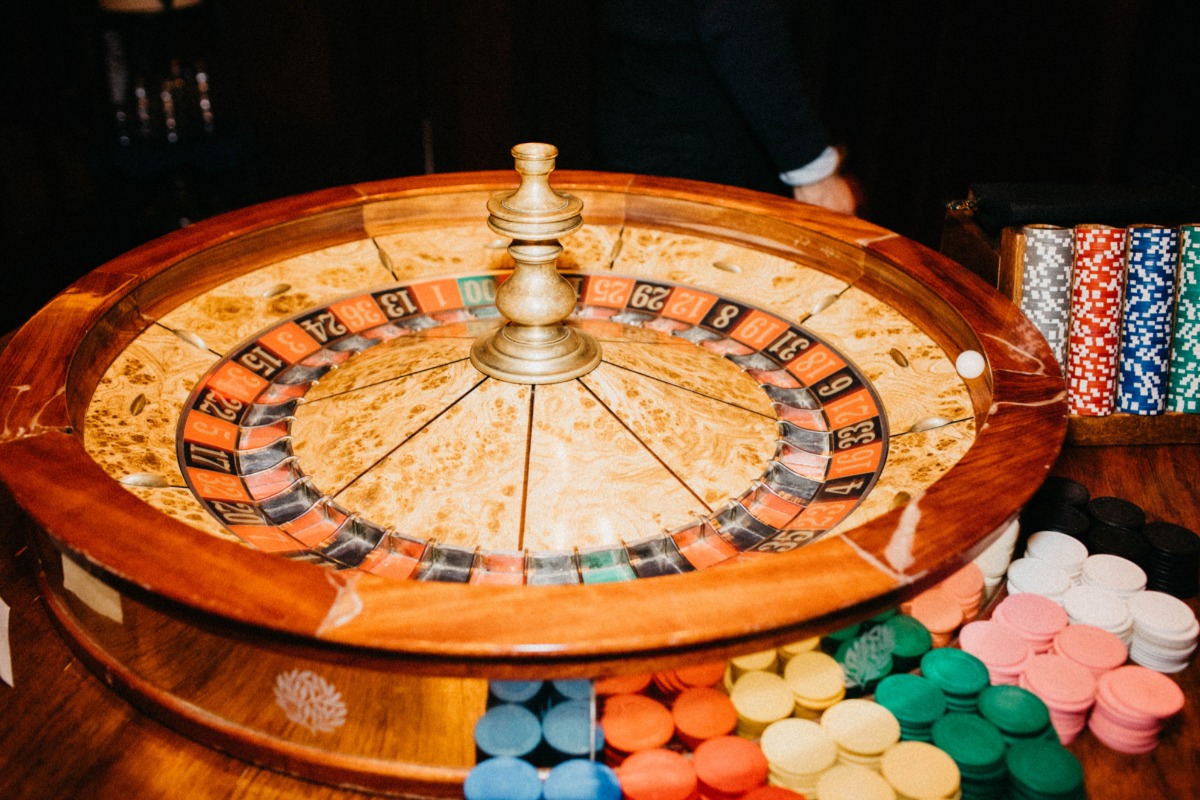
Trends come and go, and what feels fun and fresh now might not age quite the way you expect. Some couples look back at their wedding photos and cringe a little because the theme they loved in the moment no longer reflects their style.
“A wedding should feel like a reflection of the couple’s essence, not a recreation of a Pinterest board or trend-driven idea,” reminds Lisa Radlovacki, Director of Lisa London Weddings & Events. “I always ask: Will this design feel meaningful 10 years from now? If the answer is yes, we’re on the right path. The best weddings are those that tell a love story through refined, intentional design, not through gimmicks.”
Of course, this isn’t a reason to avoid a theme entirely. But it’s a good reminder to pick something that feels true to you, not just what’s hot on social media.
It can distract from what’s really important
In the excitement of planning, it’s easy to get caught up in the “look” of the day and forget what the day is really about. A theme should support your wedding, not steal the spotlight.
Jacqueline Vizcaino, Owner of Tinted Events Design and Planning, explains, “A theme is helpful when it’s rooted in alignment with the purpose of the day. Forced or overdone themes can distract from the day’s deeper intention: celebrating your relationship with the people you love.”
Remember: your guests aren’t showing up for the aesthetic. They’re there to celebrate your love story. The visuals are just icing on the (wedding) cake.
Choosing The Right Theme
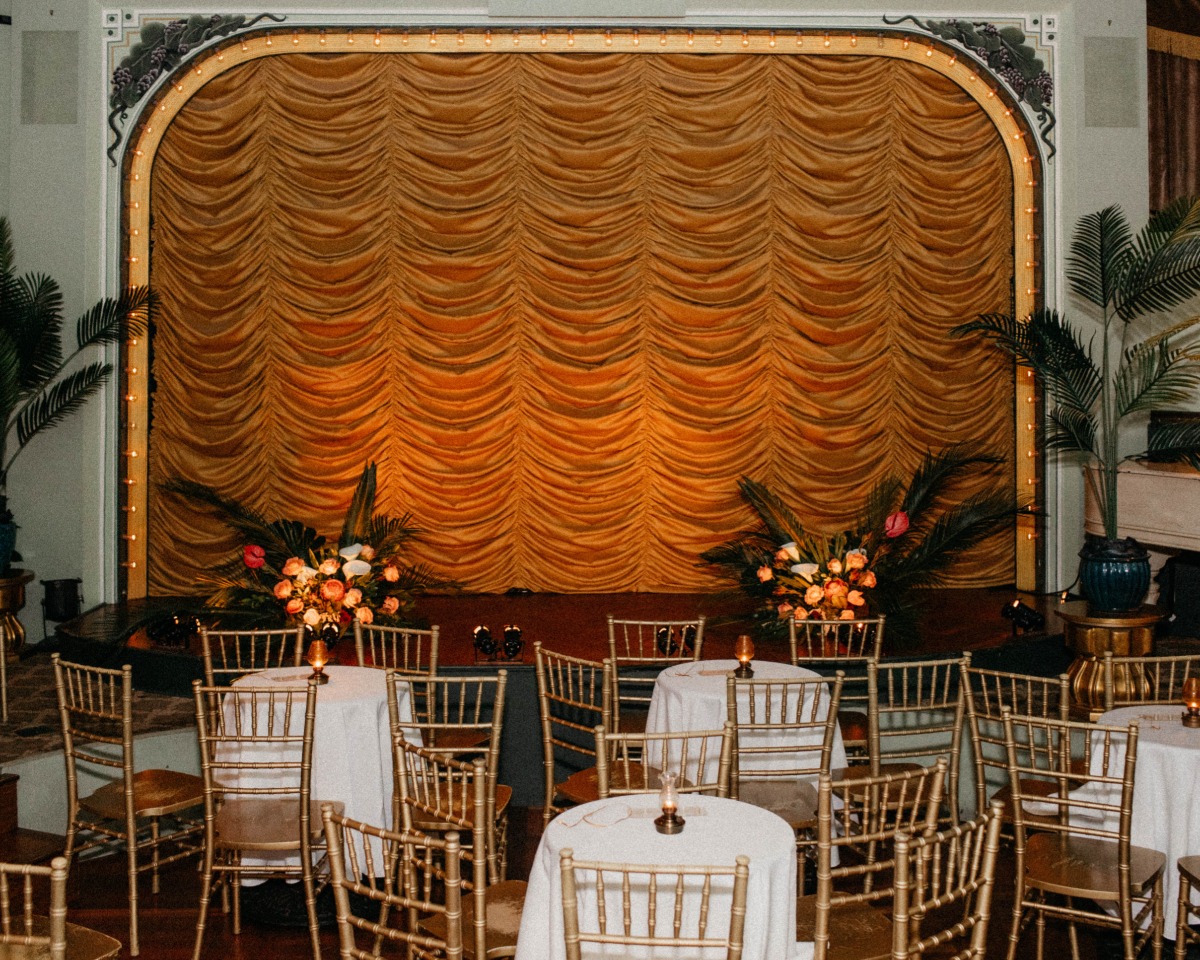
If you decide to go with a theme, the key is choosing one that feels authentic to you. Don’t pick something just because it’s trending. You want to go for what actually gets you excited.
“Start with honesty,” suggests Julian Ribinik, Creative Director at Julian Ribinik Studios. “Are you choosing this because you love it or because Pinterest told you to? A theme should feel natural to who you are.”
Consider your shared interests, personal style, and the type of atmosphere you want your guests to experience.
Liney Castle, Planner at Twickenham House and Hall, adds, “If a couple chooses a theme, some things to take into consideration are the time of year and the location of your wedding venue. If you book a wedding in the spring, you may not necessarily be considering traditional fall wedding colors or the boho vibe that usually accompanies a fall wedding. Regarding the location of your venue, think about how the theme you are considering plays into the look of the inside of the venue and how you could realistically incorporate it into your ceremony space.”
Start small: maybe it’s a color palette, a season, or a vibe like “romantic garden” or “vintage glam.” Once you have a general direction, it’s easier to build around it in a way that still feels flexible and fun.
Opting Out Of A Theme
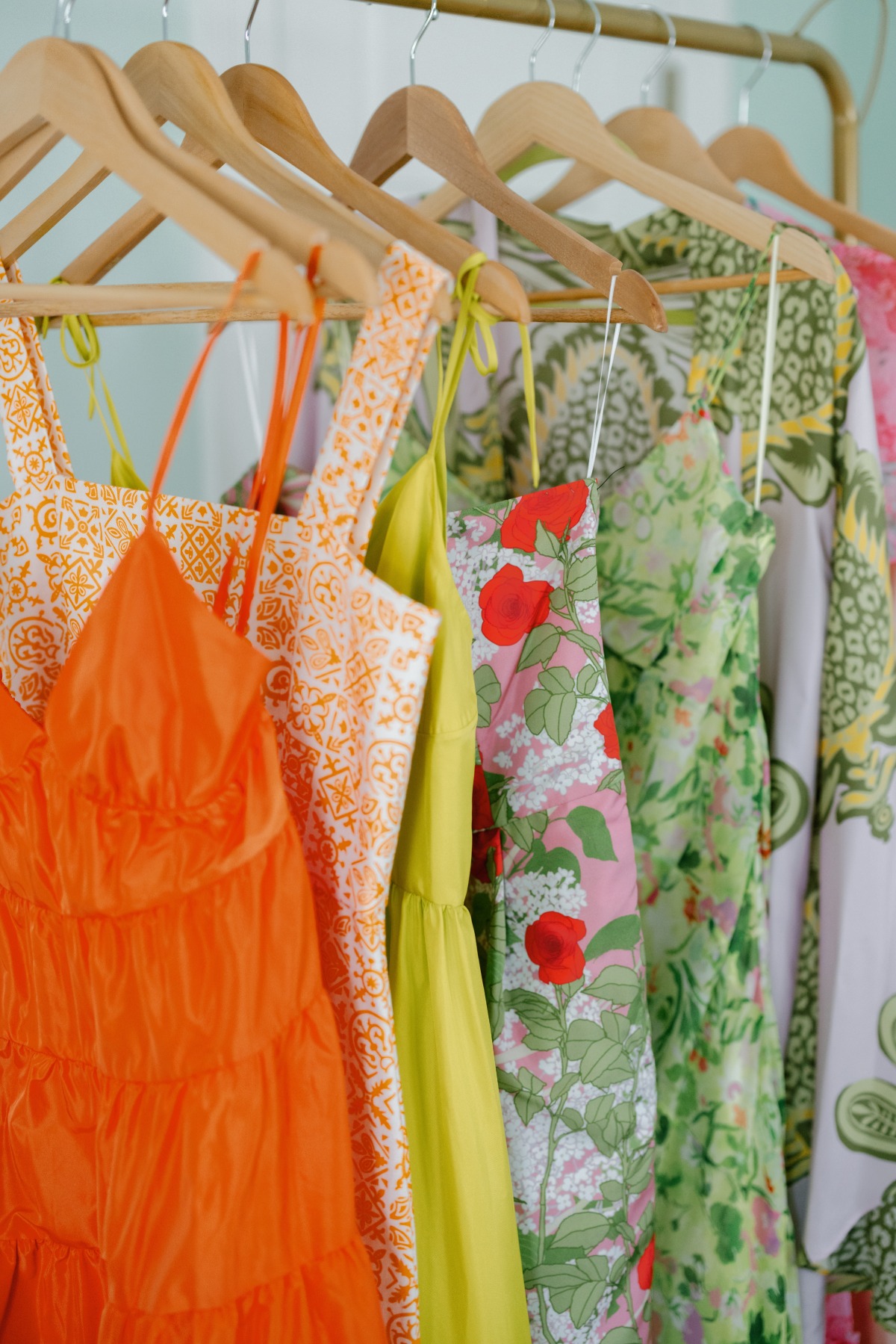
If a traditional wedding theme doesn’t feel like your style, that’s okay! Plenty of couples are moving away from formal themes and focusing more on the overall vibe they want to create. The good news? You can still have a stunning, cohesive wedding without committing to something specific.
“Even if you don’t go with a formal ‘theme' having a consistent color palette and design plan is key,” advises Emily Reno, Owner of The Vegas Planners. “I always recommend creating a design board, choosing your color scheme, and deciding if you’ll be mixing metals or using specific textures.”
Think of it more as setting a visual tone rather than following a strict concept.
Kelley Nudo, Client Relations & Operations Director at Momental Designs, adds, “Themes do not have to be overtly obvious, but even choosing a color palette, specific florals, and leaning into the decor of the venue will be enough to help the couple ensure their wedding isn\'t a mishmash that visually conflicts.”
Whether you go all-in on a theme or keep things simple, your wedding should reflect what feels right for you. There’s no one-size-fits-all answer—just what makes you excited to celebrate this next chapter. Trust your instincts, have fun, and remember: the most important part of the day is the love you’re there to honor!
Meghan Ely is the founder of OFD Consulting, a public relations agency specializing in publicity, speaking engagements, and thought leadership for wedding and event professionals. She also leads the OFD Collective, a PR membership community for industry pros.
- Wedding PR: OFD Consulting